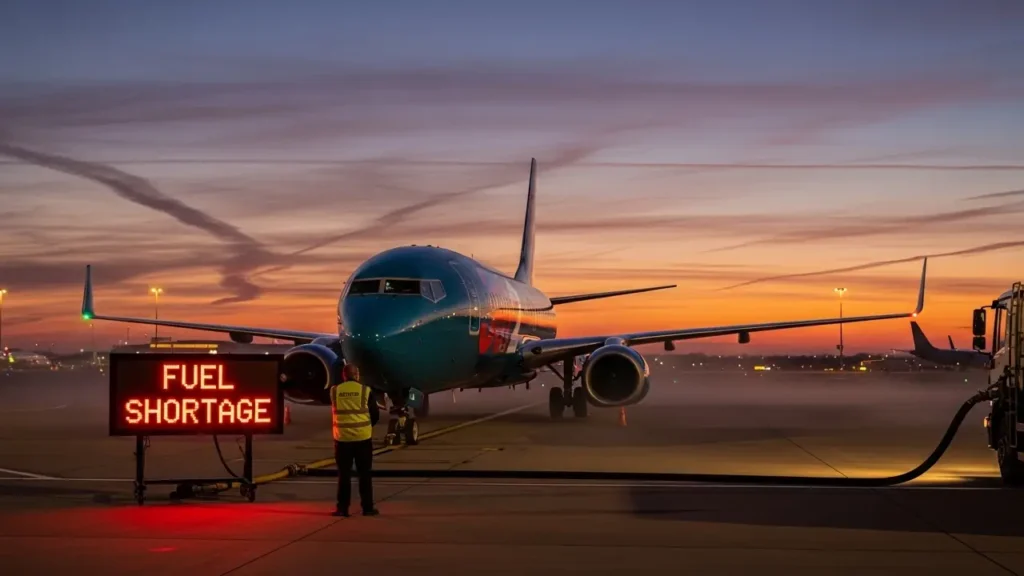
The recent Jet2 fuel shortage has raised concerns among travelers, aviation experts, and industry stakeholders. As global travel demand continues to rise, any disruption in fuel supply can directly impact airline operations, flight schedules, and passenger experience. This situation has highlighted the importance of fuel logistics, operational planning, and contingency strategies in the aviation sector.
In this detailed article, we explore the reasons behind the Jet2 fuel shortage, its impact on flights, how the airline is responding, and what passengers should do if their travel plans are affected. The aim is to provide clear, accurate, and useful information for travelers without exaggeration or misinformation.
What Is the Jet2 Fuel Shortage?
The Jet2 fuel shortage refers to a temporary disruption in the availability of aviation fuel required to operate scheduled flights. This issue does not necessarily indicate a complete lack of fuel but rather logistical challenges in transporting and supplying fuel to certain airports or regions.
Fuel shortages in aviation can occur due to several factors, including supply chain disruptions, refinery maintenance, transportation delays, or increased demand during peak travel seasons. In Jet2’s case, reports suggest that operational challenges and regional supply issues played a role.
Main Causes Behind the Jet2 Fuel Supply Issue
Understanding the root causes of the Jet2 fuel shortage helps provide context for the situation. Several contributing factors have been identified:
1. Supply Chain Disruptions: Aviation fuel relies on a complex global supply chain. Any delay in fuel delivery, whether due to shipping issues or infrastructure problems, can impact airline operations.
2. Increased Travel Demand: As travel demand rises, especially during holidays, airlines require more fuel than usual. Sudden spikes in demand can strain supply systems.
3. Airport-Specific Constraints: Some airports may face storage or delivery limitations, leading to localized shortages even if overall fuel supply is stable.
4. Refinery Maintenance or Production Issues: Scheduled or unexpected refinery shutdowns can temporarily reduce fuel availability.
5. Weather and Transportation Delays: Severe weather conditions or logistical disruptions can delay fuel shipments.
How the Fuel Shortage Affected Jet2 Flights
The Jet2 fuel shortage has had a noticeable impact on flight operations, although the airline has worked to minimize disruption. Some of the reported effects include:
Flight Delays: Aircraft may need to wait for fuel availability or adjust schedules accordingly.
Operational Adjustments: Flights may carry additional fuel from other airports, which can slightly impact payload capacity.
Schedule Changes: In some cases, flights may be rescheduled to ensure safe and efficient operations.
Passenger Inconvenience: Travelers may experience longer waiting times or changes to their itineraries.
It is important to note that airlines prioritize safety above all else, and any operational decisions related to fuel are made with strict adherence to aviation safety standards.
Jet2’s Response to the Fuel Shortage
Jet2 has taken several proactive steps to manage the situation and ensure minimal disruption for passengers. The airline’s response includes:
Strategic Fuel Planning: Adjusting fuel loads and planning refueling stops more efficiently.
Coordination with Airports: Working closely with airport authorities and fuel suppliers to ensure availability.
Customer Communication: Informing passengers about delays or changes in advance whenever possible.
Operational Flexibility: Making real-time adjustments to schedules and routes.
These measures are designed to maintain service reliability while addressing supply challenges.
Impact on Travelers and What to Expect
For passengers, the Jet2 fuel shortage may lead to some temporary inconveniences, but widespread cancellations are not always the outcome. Travelers can expect:
Possible Delays: Flights may depart later than scheduled due to fueling logistics.
Updated Notifications: Airlines may provide real-time updates via email or mobile apps.
Flexible Rebooking Options: In case of significant delays, passengers may be offered alternative travel arrangements.
Airport Waiting Times: Travelers should be prepared for longer waiting periods.
Despite these challenges, airlines typically aim to minimize disruption and maintain a smooth travel experience.
How Passengers Can Prepare During a Fuel Shortage
If you are traveling during a Jet2 fuel shortage, taking a few precautions can help reduce stress:
Check Flight Status Regularly: Monitor updates through official airline channels.
Arrive Early at the Airport: Allow extra time for check-in and potential delays.
Keep Essentials in Hand Luggage: Carry important items such as medications, documents, and chargers.
Stay Informed: Follow airline announcements and airport information boards.
Be Flexible: Travel plans may change, so maintaining flexibility can be helpful.
Global Aviation Fuel Challenges and Industry Trends
The Jet2 fuel shortage is not an isolated case. The aviation industry globally faces ongoing challenges related to fuel supply and demand. These include:
Rising Fuel Costs: Fluctuations in oil prices can affect airline operations.
Environmental Regulations: Increasing focus on sustainable aviation fuel (SAF) is changing fuel dynamics.
Infrastructure Limitations: Some regions lack sufficient storage or transportation capacity.
Supply Chain Complexity: The global nature of fuel distribution makes it vulnerable to disruptions.
Airlines are investing in long-term solutions to address these challenges and improve resilience.
Future Outlook: Will Fuel Shortages Continue?
While the Jet2 fuel shortage has caused concern, such situations are usually temporary. Airlines and fuel suppliers continuously work to stabilize supply chains and prevent recurring issues.
In the future, advancements in fuel logistics, increased adoption of alternative fuels, and improved infrastructure are expected to reduce the likelihood of similar disruptions. However, short-term challenges may still occur due to unforeseen circumstances.
Specification Table: Key Details About Jet2 Fuel Shortage
| Category | Details |
|---|---|
| Issue | Temporary aviation fuel supply disruption |
| Affected Airline | Jet2 |
| Main Causes | Supply chain issues, high demand, logistics constraints |
| Impact | Flight delays, schedule adjustments |
| Airline Response | Operational adjustments, customer communication |
| Passenger Advice | Check updates, arrive early, stay flexible |
Conclusion
The Jet2 fuel shortage highlights how critical fuel logistics are to airline operations. While the situation has caused some disruption, it remains manageable and temporary. Jet2’s proactive response and industry-wide efforts ensure that safety and passenger experience remain priorities.
Travelers should stay informed, plan ahead, and remain flexible during such situations. As the aviation industry continues to evolve, improvements in fuel management and supply systems are expected to reduce the risk of similar challenges in the future.
FAQs About Jet2 Fuel Shortage
1. What caused the Jet2 fuel shortage?
The shortage was mainly due to supply chain disruptions, increased demand, and logistical challenges at certain airports.
2. Are Jet2 flights being canceled due to the fuel shortage?
Most flights are still operating, but some may experience delays or schedule changes rather than cancellations.
3. How can I check if my flight is affected?
Passengers should check the official Jet2 website or mobile app for real-time updates.
4. Is it safe to fly during a fuel shortage?
Yes, airlines follow strict safety regulations, and flights only operate when all safety requirements are met.
5. Will fuel shortages affect future travel plans?
Such shortages are usually temporary, and airlines work quickly to resolve them, so long-term impact is unlikely.