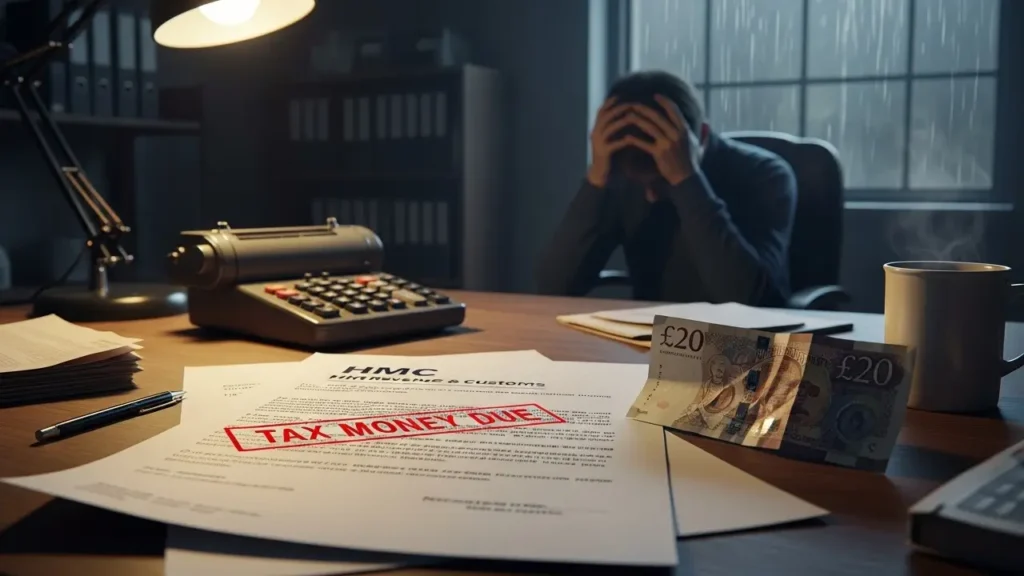
If you’ve recently received a notice saying HMRC wants tax money back, it can feel confusing or even stressful. Many individuals and businesses across the UK receive such letters every year, and while it may seem alarming, it is often a routine part of the tax system.
Understanding why this happens and what steps you should take can help you avoid penalties and manage your finances more effectively. This detailed guide explains everything in simple terms so you can respond confidently and correctly.
Why HMRC Asks for Tax Money Back
The most common reason HMRC wants tax money back is due to underpaid taxes. This can happen when your income, benefits, or employment situation changes and the correct tax was not deducted at the time.
Sometimes, the issue arises from incorrect tax codes, missing information, or delayed reporting by employers. In other cases, it could be related to self-assessment errors or additional income that wasn’t declared properly.
Common Reasons You May Owe HMRC
There are several situations where HMRC may request repayment. Understanding these reasons helps you identify whether the request is valid.
Incorrect Tax Code: If your employer used the wrong tax code, you may have paid less tax than required.
Multiple Jobs or Income Sources: Having more than one job or income stream can sometimes result in underpaid tax.
Benefits or Allowances: Receiving benefits like company cars or medical insurance can impact your taxable income.
Self-Assessment Errors: Mistakes in your tax return can lead to underpayment.
Changes in Employment: Switching jobs without updated tax details can also create discrepancies.
How HMRC Notifies You
When HMRC wants tax money back, they usually send an official letter explaining the amount owed and the reason behind it. This may come as a P800 form or a Simple Assessment notice.
These notifications include details such as how much you owe, why you owe it, and how you can pay. It’s important to read the letter carefully and verify the information before taking action.
Steps to Take If You Receive a Tax Demand
Receiving a tax notice doesn’t always mean you must pay immediately without question. You should follow a few key steps to ensure everything is correct.
Check the Details: Compare the information with your payslips, P60, or tax returns.
Verify Calculations: Ensure HMRC’s calculations match your records.
Contact HMRC: If something seems incorrect, contact them for clarification.
Seek Professional Advice: A tax advisor can help you understand complex situations.
Payment Options Available
If you confirm that HMRC wants tax money back and the amount is correct, there are several ways to pay.
Full Payment: You can pay the entire amount online, by bank transfer, or through other official methods.
Payment Plan: If you cannot pay in full, HMRC may allow you to set up a payment plan.
Tax Code Adjustment: In some cases, HMRC may collect the amount through your future tax code.
What Happens If You Ignore HMRC Requests
Ignoring a notice that HMRC wants tax money back can lead to serious consequences. HMRC may charge penalties, add interest, or take enforcement action.
This could include deductions from your wages, legal action, or involvement of debt collection agencies. Acting early helps you avoid these issues and manage your situation more effectively.
How to Avoid Future Tax Issues
Preventing tax problems is always better than dealing with them later. By staying organized and informed, you can reduce the risk of receiving unexpected tax demands.
Keep Records Updated: Maintain accurate financial records.
Check Tax Codes Regularly: Ensure your tax code is correct.
Report Changes Promptly: Inform HMRC about changes in income or employment.
File Returns on Time: Avoid errors by submitting accurate tax returns.
Understanding HMRC Calculations
HMRC uses data from employers, banks, and other institutions to calculate your tax liability. Sometimes, delays or errors in this data can result in incorrect calculations.
If you believe the amount is wrong, you have the right to challenge it. Providing accurate documentation can help resolve disputes quickly.
Specification Overview of HMRC Tax Recovery Process
| Aspect | Details |
|---|---|
| Notification Type | P800 Letter or Simple Assessment |
| Main Reason | Underpaid tax due to incorrect data or changes |
| Payment Methods | Online, bank transfer, or payment plan |
| Deadline | Specified in HMRC letter |
| Penalty Risk | Late payment may result in fines and interest |
| Dispute Option | Yes, with supporting documentation |
| Support Available | HMRC helpline or tax advisor |
When to Seek Professional Help
If your case is complex or involves large amounts, it is wise to consult a tax professional. They can help you understand your rights, negotiate with HMRC, and ensure compliance with tax regulations.
This is especially important for business owners, freelancers, or individuals with multiple income sources.
Final Thoughts on HMRC Tax Repayment Requests
Receiving a notice that HMRC wants tax money back is not uncommon, and in many cases, it can be resolved easily with proper attention. The key is to stay informed, act quickly, and verify all details before making payments.
By understanding the process and your options, you can handle the situation confidently and avoid unnecessary stress or penalties.
Frequently Asked Questions (FAQs)
1. Why does HMRC suddenly ask for money back?
This usually happens due to underpaid tax caused by incorrect tax codes, multiple incomes, or reporting delays.
2. Can I challenge HMRC if I think the amount is wrong?
Yes, you can contact HMRC and provide evidence to dispute the calculation.
3. What if I cannot afford to pay the full amount?
HMRC may offer a payment plan to help you pay in installments.
4. How long do I have to pay HMRC?
The deadline is mentioned in your notice, and it’s important to act before that date.
5. Will ignoring HMRC letters cause serious problems?
Yes, ignoring them can lead to penalties, interest charges, and possible legal action.