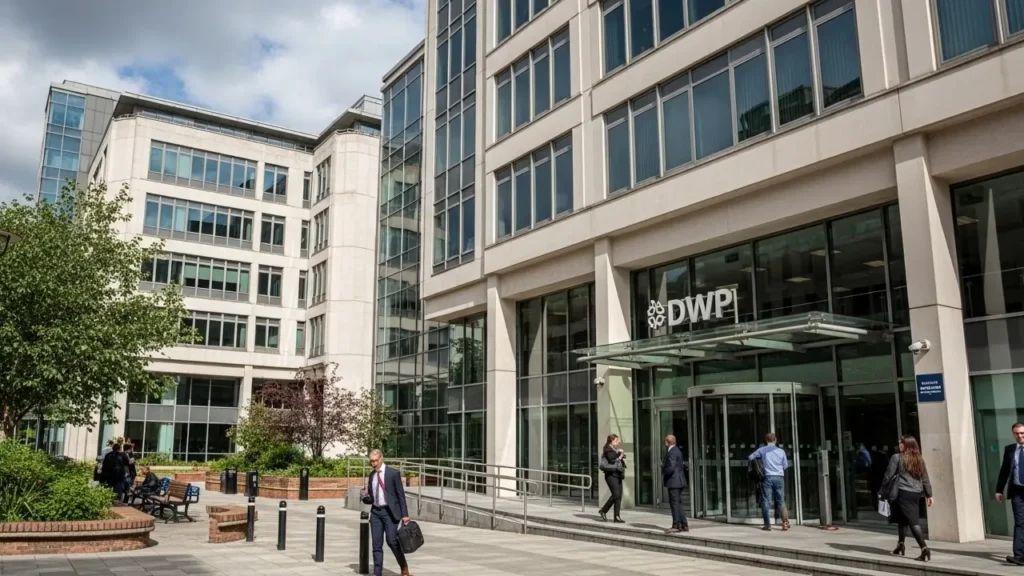
The Department for Work and Pensions plays a crucial role in supporting millions of people across the United Kingdom. Whether it is providing financial assistance, managing pensions, or helping individuals find employment, this department serves as a backbone of the UK’s welfare system.
Understanding how the Department for Work and Pensions works can help individuals access the right benefits, plan their financial future, and stay informed about available government support. This detailed guide explains everything you need to know in a clear and practical way.
What is the Department for Work and Pensions?
The (DWP) is a government department in the United Kingdom responsible for welfare, pensions, and child maintenance policy.
It is one of the largest public service departments in the UK and is focused on improving living standards, supporting employment, and ensuring financial security for citizens.
The department works closely with other government bodies and organizations to deliver essential services that impact daily life, especially for those in need of financial assistance.
Main Responsibilities of the Department for Work and Pensions
The Department for Work and Pensions manages several important areas that directly affect individuals and families. These responsibilities are designed to provide stability, support, and opportunities for people across the UK.
Here are the key responsibilities:
- Managing Benefits: Includes Universal Credit, Jobseeker’s Allowance, and Disability benefits
- Pensions Administration: Oversees State Pension payments
- Employment Support: Helps individuals find jobs and develop skills
- Child Maintenance: Ensures financial support for children from separated parents
- Disability Support: Provides financial help for people with disabilities
Key Benefits Provided by the Department for Work and Pensions
The Department for Work and Pensions offers various benefits aimed at supporting individuals based on their circumstances. These benefits are designed to provide financial security and improve quality of life.
Below are some of the most important benefits:
- Universal Credit: A monthly payment for people with low income or no income
- State Pension: Regular payments for individuals who have reached retirement age
- Personal Independence Payment (PIP): Support for people with long-term health conditions
- Employment and Support Allowance (ESA): Financial help for those unable to work due to illness
- Jobseeker’s Allowance (JSA): Support while looking for work
Each benefit has specific eligibility criteria, and applicants are required to provide accurate information during the application process.
How Universal Credit Works
Universal Credit is one of the most widely used benefits managed by the Department for Work and Pensions. It combines multiple benefits into a single monthly payment.
This system simplifies financial support for individuals and ensures that payments are adjusted based on changing circumstances such as employment status or income.
Applicants must create an online account, submit their details, and attend verification appointments when required. Payments are typically made monthly into a bank account.
State Pension Explained
The State Pension is a regular payment from the government that individuals receive once they reach the qualifying age. It is managed by the Department for Work and Pensions.
The amount you receive depends on your National Insurance contributions. The more contributions you have made during your working life, the higher your pension is likely to be.
This pension provides financial stability during retirement and is a key component of long-term financial planning.
Support for Job Seekers
The Department for Work and Pensions also focuses on helping individuals find employment. Through Jobcentres and employment programs, the department offers guidance and training opportunities.
Services include:
- Job search assistance
- Interview preparation
- Skills training programs
- Work placements
These services aim to reduce unemployment and help individuals build sustainable careers.
Disability and Health Support Services
The Department for Work and Pensions provides financial and practical support for people living with disabilities or long-term health conditions.
Programs such as Personal Independence Payment (PIP) and Disability Living Allowance (DLA) are designed to help individuals manage additional living costs.
Applicants usually undergo assessments to determine eligibility and the level of support required.
Child Maintenance Services
The Department for Work and Pensions ensures that children receive financial support from parents who live separately. This is handled through the Child Maintenance Service.
The system calculates payments based on income and ensures that both parents contribute fairly to the child’s upbringing.
This service helps maintain financial stability for children and reduces financial stress for the primary caregiver.
How to Apply for DWP Benefits
Applying for benefits through the Department for Work and Pensions is a structured process. Most applications can now be completed online, making it easier and faster.
Steps to apply:
- Create an online account on the official government portal
- Fill out the application form with accurate details
- Submit required documents
- Attend any required interviews or assessments
- Wait for a decision and payment confirmation
It is important to provide correct information to avoid delays or rejections.
Common Challenges and How to Overcome Them
While the Department for Work and Pensions provides essential support, some applicants may face challenges during the process.
Common issues include:
- Delays in application processing
- Difficulty understanding eligibility criteria
- Missing documents
- Assessment complications
To overcome these challenges, applicants should carefully read guidelines, keep documents ready, and seek assistance from local support services if needed.
Recent Changes and Updates
The Department for Work and Pensions frequently updates its policies to adapt to economic conditions and public needs.
Recent changes have focused on improving digital services, speeding up benefit processing, and providing better support for job seekers.
Staying updated with these changes ensures that individuals can take full advantage of available support.
Specifications of Department for Work and Pensions Services
| Feature | Details |
|---|---|
| Department Type | UK Government Department |
| Main Role | Welfare, pensions, and employment support |
| Key Services | Universal Credit, State Pension, Disability Support |
| Application Method | Online and in-person via Jobcentres |
| Target Audience | UK residents needing financial or employment support |
| Payment Frequency | Monthly (varies by benefit) |
Why the Department for Work and Pensions Matters
The Department for Work and Pensions is essential for maintaining economic stability and supporting vulnerable populations. It ensures that individuals have access to financial assistance when needed.
By providing benefits, employment services, and pension support, the department helps improve living standards and reduce poverty across the UK.
Frequently Asked Questions (FAQs)
1. What does the Department for Work and Pensions do?
It manages welfare benefits, pensions, and employment support services in the UK.
2. Who can apply for DWP benefits?
UK residents who meet specific eligibility criteria based on income, employment status, or health conditions.
3. How long does it take to receive benefits?
Processing times vary, but most benefits like Universal Credit take around five weeks for the first payment.
4. Can I apply for benefits online?
Yes, most benefits can be applied for through the official government website.
5. What should I do if my application is rejected?
You can request a reconsideration or appeal the decision through the proper channels.
Final Thoughts
The Department for Work and Pensions plays a vital role in supporting individuals and families across the UK. From financial assistance to employment services, it offers a wide range of support systems designed to improve lives.
Understanding how the department works allows individuals to make informed decisions, access the right benefits, and secure their financial future with confidence.