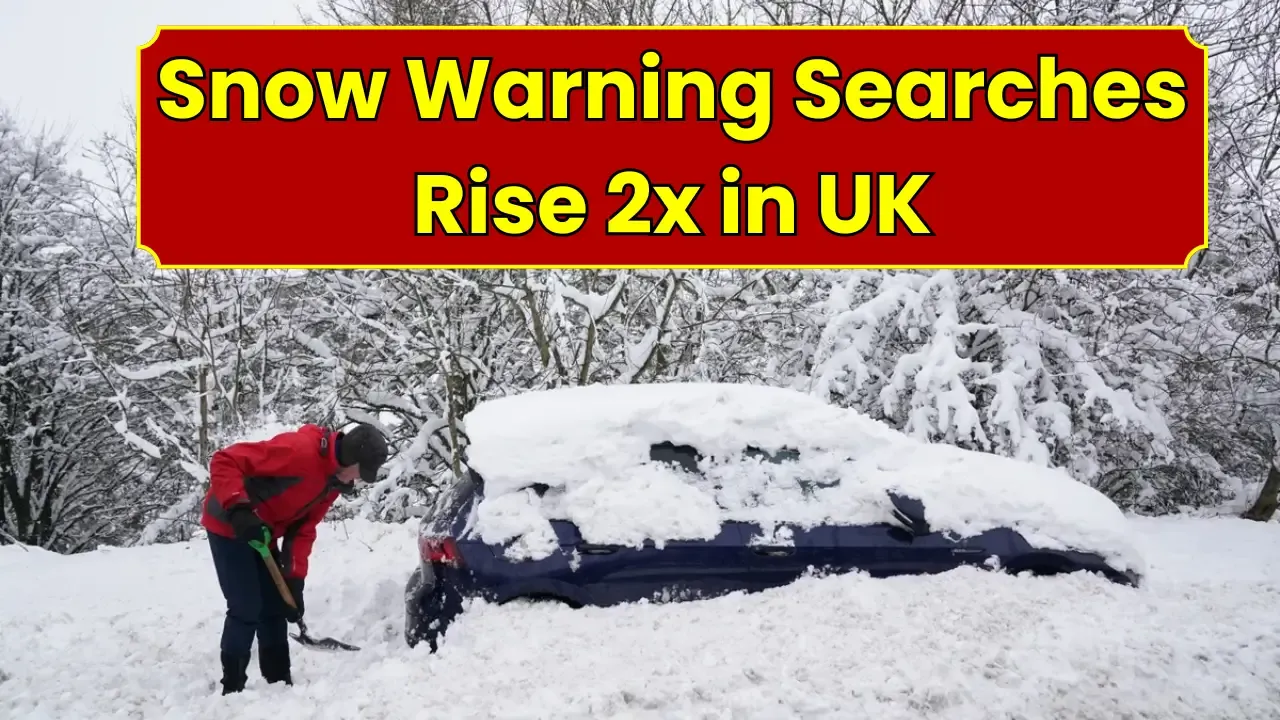
Online searches for “snow warning UK” have sharply increased as Arctic air sweeps across the country, bringing widespread disruption to roads, railways, and airports. With multiple alerts issued by the Met Office, millions of residents are closely monitoring updates before travelling.
The spike in search traffic reflects growing public concern about heavy snowfall, icy roads, and potential travel delays. From northern Scotland to parts of England and Wales, winter conditions are affecting both daily commuters and long-distance travellers.
Why “Snow Warning” Searches Are Rising Rapidly
The recent surge in searches is closely linked to official alerts issued across several regions. The Met Office has placed parts of northern Scotland under amber snow warnings, while other areas remain under yellow warnings for snow and ice.
Search data indicates that people are actively looking for:
- Live snow radar maps
- Travel disruption updates
- Road closure information
- Car battery and winter driving advice
- Public transport cancellation notices
This trend shows a proactive approach from the public, as many residents aim to prepare for potential disruptions rather than react at the last moment.
Current UK Snow Warning Situation
According to the Met Office, northern Scotland is experiencing the heaviest snowfall, with forecasts suggesting:
- 10–20cm of snow at lower levels
- Up to 40cm on higher ground
- Strong winds increasing blizzard risk
Areas including Aberdeen, the Highlands, and parts of northeast Scotland are facing the most significant impacts. Meanwhile, regions in northern England and Wales are under yellow alerts due to icy patches and sleet turning to snow at higher elevations.
The UK Health Security Agency has also issued cold weather alerts, advising vulnerable individuals to take precautions against freezing temperatures.
Snow Warning Levels Explained
Yellow Warning: Be aware – minor travel delays, icy surfaces, localized disruptions.
Amber Warning: Be prepared – significant travel disruption, road closures, rail cancellations possible.
Red Warning: Take action – dangerous conditions, major shutdowns, risk to life.
The colour-coded system helps residents understand not just snowfall amounts but the expected impact on daily life and infrastructure.
Road Travel Disruptions Across Britain
Snow and ice have already caused travel challenges on several key routes. Motorists in Scotland have reported blocked rural roads and reduced visibility due to drifting snow.
Authorities are urging drivers to:
- Avoid non-essential journeys during amber alerts
- Carry emergency supplies including blankets, water, and food
- Keep mobile phones fully charged
- Increase braking distance significantly on icy roads
The Highway Code recommends gentle acceleration, avoiding sudden braking, and using higher gears when driving on snow-covered surfaces.
Rail Services Facing Delays and Cancellations
Winter conditions have affected rail operations, particularly in northern Scotland and northern England. Snow accumulation on tracks and freezing temperatures can disrupt signalling systems.
Rail operators are advising passengers to check service updates before departure. De-icing procedures and reduced speed limits are contributing to longer journey times on several routes.
Flight Disruptions and Airport Delays
Airports across the UK have activated cold-weather procedures, including aircraft de-icing and runway inspections. While major hubs continue operating, delays are possible during peak snowfall periods.
Passengers are encouraged to:
- Confirm flight status before leaving for the airport
- Allow extra travel time
- Monitor airline notifications for schedule changes
Even moderate snowfall can slow airport operations due to safety protocols.
How Snow Warnings Impact the Economy
Severe winter weather can affect productivity, supply chains, and tourism. Rural communities may experience delivery delays, while urban centres face commuter disruptions.
Businesses are increasingly adopting flexible work arrangements during extreme weather to maintain operations and reduce travel risks for employees.
Practical Preparation Tips During Snow Alerts
Preparation remains the most effective way to manage winter travel challenges. Residents are advised to:
- Monitor updates from the Met Office
- Prepare winter emergency kits for vehicles
- Stock essential groceries in advance
- Check heating systems and insulation
- Assist elderly neighbours where possible
Using official weather apps and trusted news sources ensures access to accurate, up-to-date information.
Outlook for the Coming Days
Weather forecasts suggest that cold conditions may continue across parts of the UK, particularly in northern regions and higher ground areas. Further snow showers remain possible depending on low-pressure systems moving across the country.
Search trends indicate that interest in “snow warning” updates will likely remain elevated as long as winter conditions persist.

Hi, I’m Faiq, the person behind Asdbn. I started this website to share mobile and tech news in a simple and honest way. I regularly follow smartphone launches, updates, and trends, and I like to write about things that are actually useful for readers. My focus is to keep the content clear, genuine, and easy to understand, so anyone interested in mobile and technology news can benefit from it.