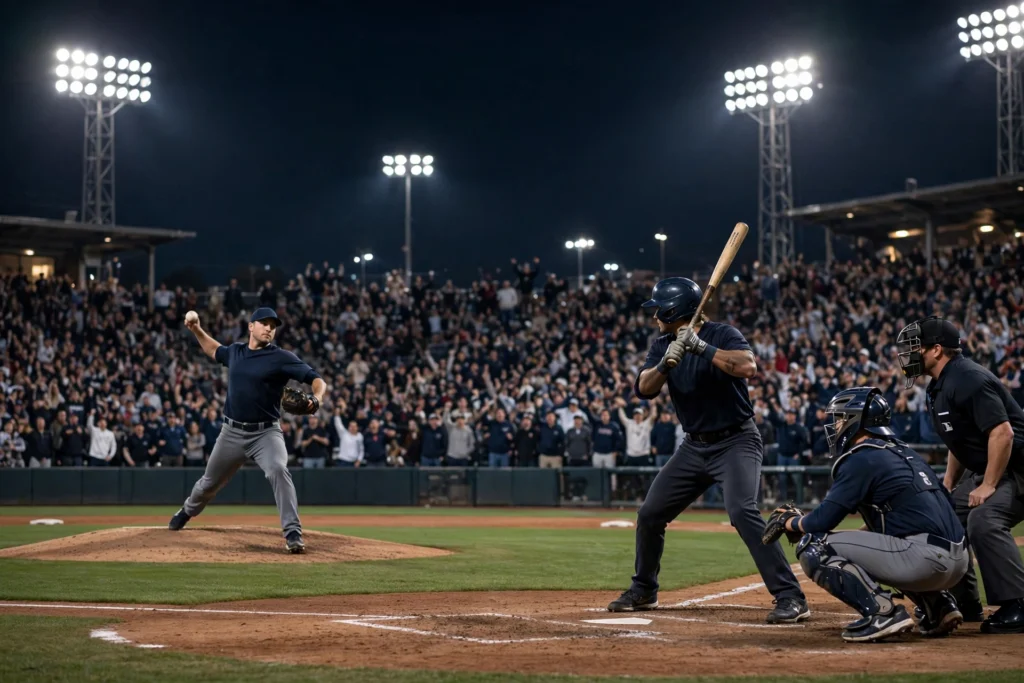

The 2026 National League Championship Series is a rematch with a surprise start. The Milwaukee Brewers, the top seed, face the Los Angeles Dodgers, the second seed and two-time defending World Series champions. Both teams won 100 games, and most experts expected a long, close series. Instead, Milwaukee has taken a commanding 3-0 lead.
This ultimate preview covers how we got here, Game 1-3 breakdowns, pitching and hitting analysis, history, players to watch, schedule and what it means for the World Series. Whether you are a Brewers fan, a Dodgers fan or a neutral baseball lover, this guide gives you everything you need to follow the rest of the series.
Road to the NLCS
Milwaukee won the National League Central and earned the No. 1 seed and a first-round bye. In the Division Series, Milwaukee beat the San Diego Padres 3-1 with strong pitching and timely hitting.
Los Angeles won the National League West for the fifth straight season and 13th time in 14 seasons, then beat the Atlanta Braves 3-1 in the Division Series. The Dodgers have reached the postseason for 14 straight seasons, the longest active streak in North American team sports, tied for the longest in MLB history with the 1991-2005 Atlanta Braves.
This is the fourth postseason meeting between the teams. Los Angeles won the first three: the 2018 NLCS, the 2020 Wild Card Series and the 2025 NLCS. Milwaukee entered this series wanting revenge, and so far it is getting it.
Milwaukee’s regular season was built on consistency. The Brewers won at home and on the road, pitched well in close games and rarely lost long streaks. Los Angeles, by contrast, relied on star power and depth. The Dodgers could win a game with a single swing, and their rotation was among the deepest in baseball. That contrast is what made this series so intriguing before first pitch.
Game 1: Brewers 2, Dodgers 1 – October 11
Game 1 at American Family Field was a tight pitchers’ duel. Milwaukee won 2-1 behind strong pitching and defence. The Dodgers’ powerful lineup was held in check, and Milwaukee’s timely hitting was enough. The win set the tone: Milwaukee could win close, low-scoring games.
Game 1 also showed Milwaukee’s home-field advantage. The crowd in Milwaukee was loud from the first pitch, and the Brewers fed off that energy. In a series where every pitch matters, that atmosphere can be the difference between a win and a loss.
Game 2: Brewers 7, Dodgers 4 – October 12
Game 2 was very different. Milwaukee’s offense broke out, scoring early and building a lead. The Dodgers fought back late, but Milwaukee held on for a 7-4 win. The Brewers took a 2-0 lead heading to Los Angeles, with all the momentum.
The Game 2 win was important because it proved Milwaukee could win in different ways. Game 1 was a pitchers’ duel. Game 2 was an offensive breakout. Teams that can win both types of games are very hard to beat in a seven-game series.
Game 3: Brewers 6, Dodgers 2 – October 14
Game 3 at Dodger Stadium was Milwaukee’s most complete game. The Brewers scored early, took the crowd out of the game, and never let Los Angeles back in. The 6-2 win gave Milwaukee a 3-0 series lead. No team has ever come back from 3-0 in a best-of-seven LCS in MLB history.
Winning on the road in Los Angeles is one of the hardest tasks in baseball. Dodger Stadium is one of the most intimidating venues in the sport, and the Dodgers had been excellent at home all season. Milwaukee’s Game 3 performance showed maturity, discipline and belief.
Why Milwaukee is winning
Three factors explain Milwaukee’s lead. First, pitching. The Brewers have limited hard contact, avoided big innings and kept the Dodgers from rallies. Second, timely hitting. Milwaukee has delivered with runners in scoring position and taken advantage of mistakes. Third, defence and baserunning. The Brewers have played clean defence and added pressure on the bases.
Milwaukee has also shown depth. It is not relying on one star. Different players have delivered in different games, which makes the Brewers hard to shut down.
The Brewers’ pitching plan has been especially impressive. They have mixed speeds, locations and pitch types to keep Dodgers hitters off balance. They have avoided the middle of the plate in big moments and have made Los Angeles earn every run. When the Dodgers have threatened, Milwaukee’s pitchers have made the key pitch to escape trouble.
Why the Dodgers are struggling
Los Angeles has struggled to string hits together and has left runners on base in key moments. The Dodgers’ stars have not produced at their usual level, and the pitching has given up early runs in Games 2 and 3.
The Dodgers are not a normal 3-0 team, though. They are two-time defending champions with star power throughout the lineup and rotation. If their top starters deliver and the middle of the order gets hot, one win can change momentum.
Baseball history is full of teams that looked finished and then found a spark. The Dodgers have the talent to win four straight games, even if no team has ever done it from 3-0 down in an LCS. They need one strong start, one big inning and one loud home crowd to believe again. Game 4 is their chance to start that run.
Players to watch
For Milwaukee, watch the starting pitchers and the top of the lineup. The Brewers have relied on depth and execution. For Los Angeles, watch the veteran hitters who have carried October runs before. If they start hitting, the series changes quickly. Also watch the bullpens. In a long series, bullpen depth often decides Games 5, 6 and 7.
Role players also matter. In every championship run, there is an unsung hero who delivers a key hit, makes a great defensive play or pitches a crucial scoreless inning. Keep an eye on the bottom of both lineups and the middle relievers, because they often decide close October games.
Format and remaining schedule
The NLCS is a best-of-seven with a 2-3-2 format. Milwaukee hosted Games 1-2, Los Angeles hosts Games 3-5, Milwaukee would host Games 6-7 if needed.
All times Eastern on FOX / FS1 / FOX One: Game 4: Thursday, Oct. 15, Brewers at Dodgers, 9 p.m. Game 5 if necessary: Friday, Oct. 16, Brewers at Dodgers, 9 p.m. Game 6 if necessary: Sunday, Oct. 18, Dodgers at Brewers, 8 p.m. Game 7 if necessary: Monday, Oct. 19, Dodgers at Brewers, 8 p.m.
Fans should check local listings before each game, because start times can shift slightly for television. If you are watching from outside the United States, check your regional broadcaster for live coverage and highlights.
World Series implications
The winner advances to the World Series starting October 23. Milwaukee is trying to reach its first World Series in years and win its first championship. Los Angeles is trying to become the first team in decades to win three straight World Series titles.
If Milwaukee wins Game 4, it gets extra rest before the World Series. If the series goes long, both teams will burn pitching, which could matter in the World Series.
A sweep would also give Milwaukee time to reset its rotation and rest its bullpen, while a long series would force tough decisions about who is available for Game 1 of the World Series. That is why Game 4 matters so much, even with a 3-0 lead.
What to watch in Game 4
Game 4’s first three innings will tell the story. If Milwaukee scores early, expect a short series. If Los Angeles jumps ahead, expect a longer fight and more pressure on Milwaukee.
Watch the starting pitchers in the first inning, the first time each team gets a runner in scoring position, and how the managers use their bullpens in the middle innings. Those moments will shape the rest of the game.
Either way, this NLCS has already delivered one of the biggest surprises of the 2026 postseason, and Game 4 is must-watch baseball.